Appalachia - The Hills That Held the World
Beneath the quiet hills of Appalachia lies a history that once powered the modern world. These mountains fueled the Industrial Revolution, shaped by immigrant labor and generations of miners who spent their lives underground, many never leaving the earth they worked. Though much of the coal is gone, the people remain—families rooted in the land, tending graves of ancestors, carrying forward traditions of music, community, and care. Often spoken about but rarely visited, Appalachia endures not as a relic of the past, but as a living place where history, memory, and belonging continue to shape daily life.
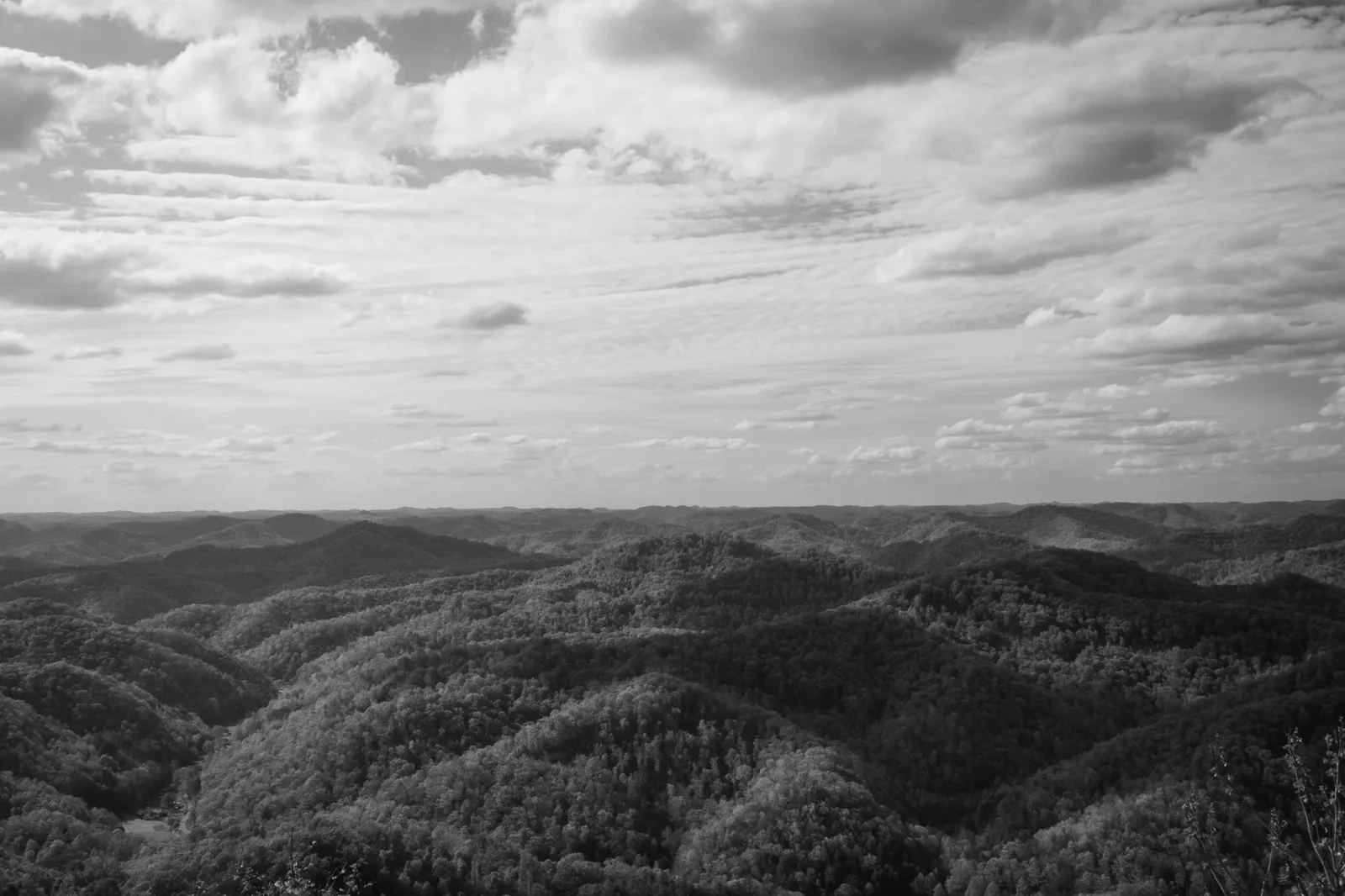
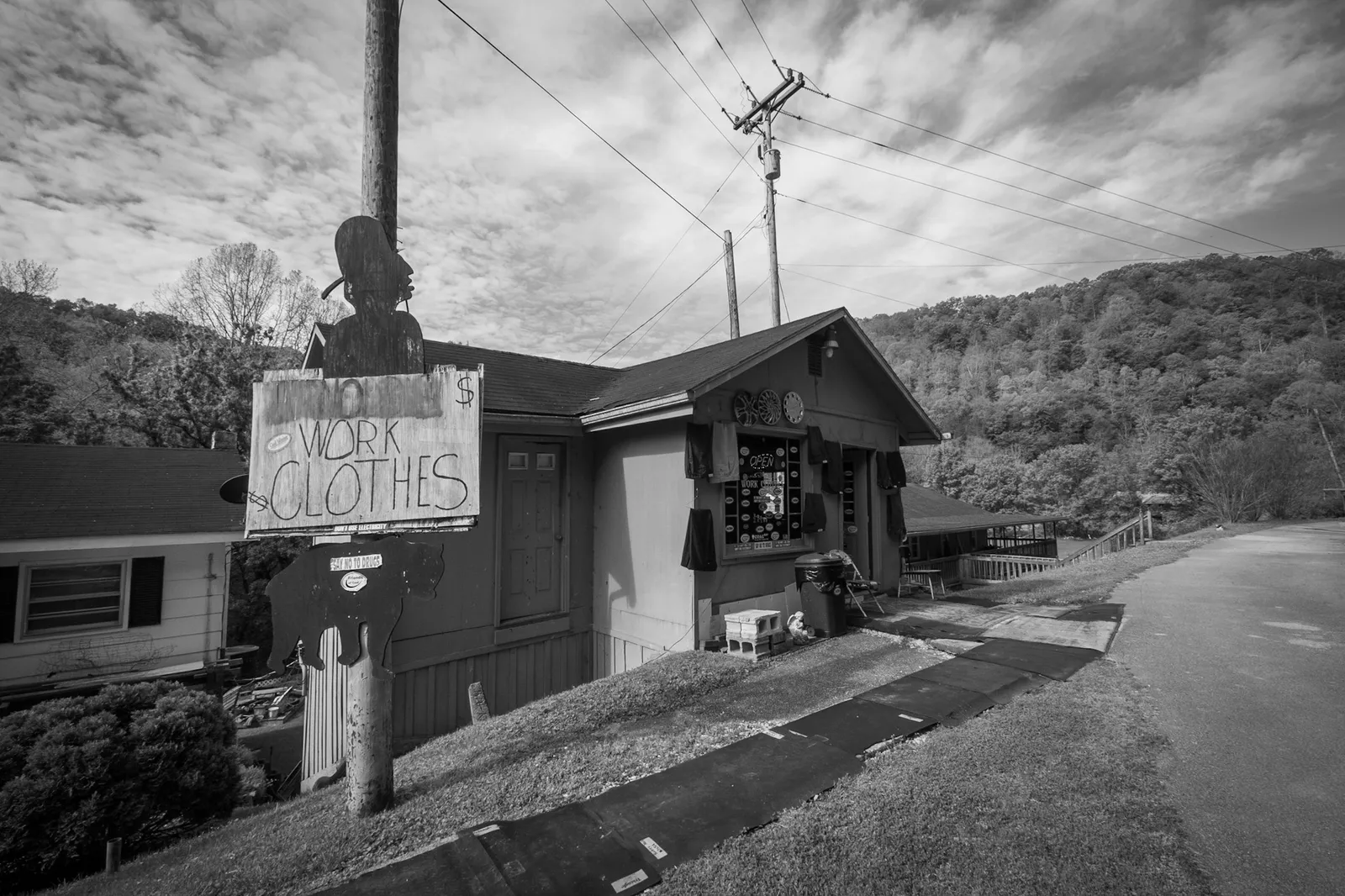
The hills of Appalachia do not announce themselves. They rise quietly, layered in green, shaped by time rather than spectacle. To pass through them today is to encounter stillness—long roads, weathered homes, and hillside gravestones tucked into folds of land. But beneath that quiet lives a history that once powered the modern world. Long before steel towers defined American cities, it was the coal pulled from these hills that fueled the Industrial Revolution, lighting factories, driving railroads, and forging the wealth of a growing nation.
Those seams of coal were worked by immigrants who arrived in America carrying little more than hope. Drawn from Ireland, Europe, and beyond, families came to Appalachia seeking stability and a future for their children. They descended into the earth day after day, carving tunnels by hand, spending entire lives underground. The labor was relentless and dangerous. Many miners never left the hills alive, buried in the same ground that sustained their families. Appalachia became both a place of opportunity and sacrifice—its prosperity inseparable from loss.
At its height, the region was among the most sought-after landscapes in the country. The natural resources embedded in Appalachian soil helped build vast fortunes for industrial barons like Andrew Carnegie, J.P. Morgan, and John D. Rockefeller. Wealth flowed outward, while the hills absorbed the cost. Company towns rose and fell. Generations of miners lived in rhythm with the mines, their days measured by shifts and seasons, their futures tied to the land beneath their feet.
Today, much of the coal is gone. The industry that once defined Appalachia has largely moved on, leaving behind emptied shafts, shuttered towns, and unanswered promises. Yet the people remain. Families who have lived in these hills for generations continue to stay, care for one another, and tend to the graves of great-great-grandparents who helped shape the region. Alongside remembrance, new paths are being carved—people teaching woodworking, passing down practical skills, and finding alternative livelihoods, from small crafts to ventures like bitcoin mining, adapting old resourcefulness to new economies.
Appalachia is often spoken about from a distance now, reduced to headlines or campaign rhetoric. Few visit, and fewer still take time to understand it. But Appalachian culture is not relic or ruin. It is alive—held together by tradition, music, and a deep sense of responsibility to family and community. The songs once dismissed as “hillbilly music” evolved into some of the foundations of country music and rock & roll, carrying stories of hardship, humor, faith, and endurance. These traditions have adapted, but they have not disappeared.
This work is an attempt to sit with Appalachia rather than speak over it. To acknowledge the weight of its history without defining it solely by extraction or loss. The hills have given more than they were ever asked to give. What remains is a people rooted in place, shaped by labor, and sustained by memory. Appalachia is not a chapter that closed when the coal ran out—it is a living story, still unfolding, held quietly in the land and the lives that refuse to leave it behind.